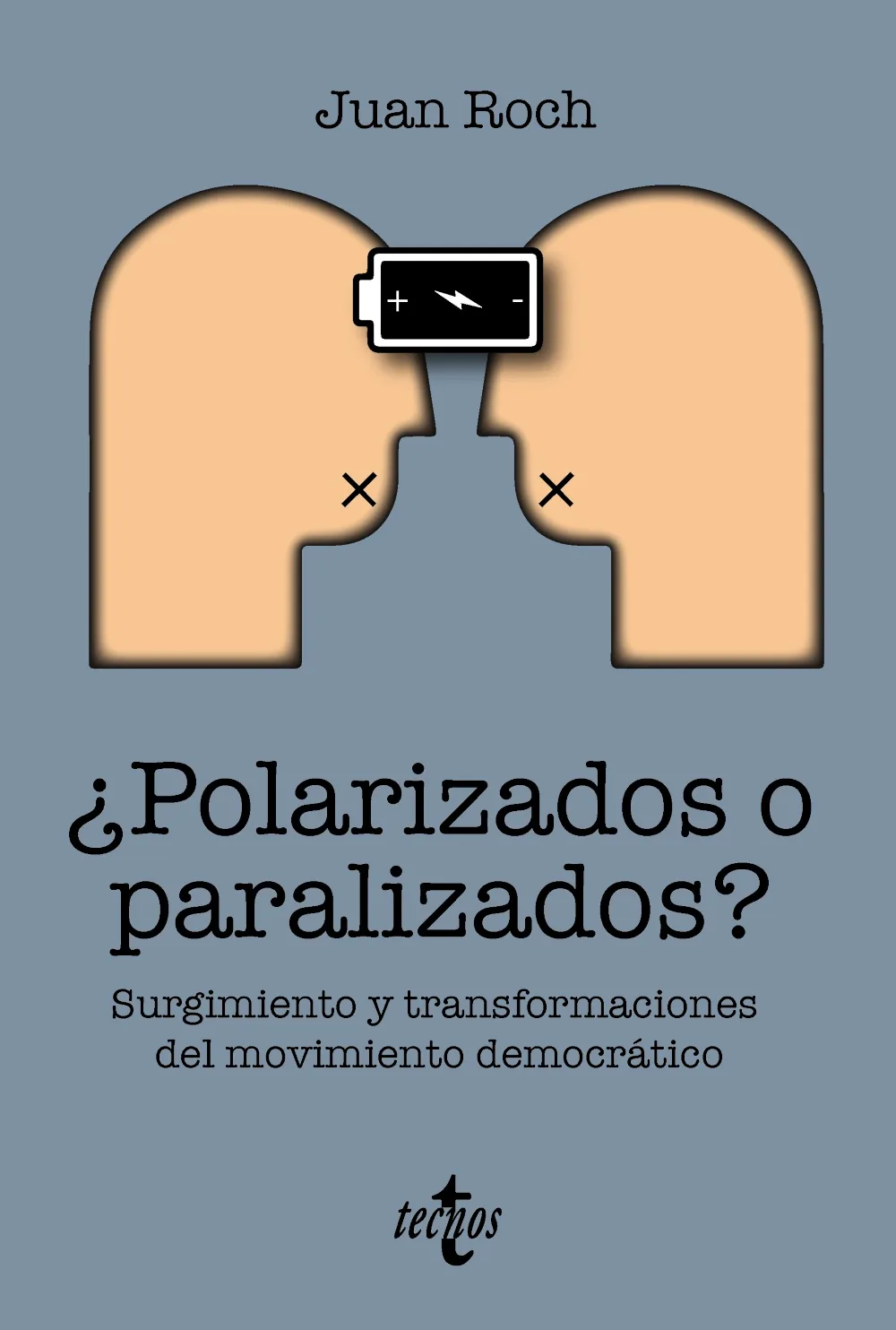
Overview
There seems to be a general consensus on the difficult time of today's democracies. The word crisis reappears strongly in its different forms of climate, war, pandemic, or energy crisis. In addition to the difficulties in managing these crises from public policy, there is a fundamental and persistent problem that has to do with the expression and political organization of citizens. The problem of populism, the threat of the extreme right, and polarization as the fundamental challenges to democratic functioning are discussed from the academy and the media. This book presents an alternative approach to what it calls «the narrative of polarization» and points out that the idea of polarization does not allow us to understand in a certain way the limits and problems of contemporary democracies. In the face of the narrative of polarization, the study of the «paralization» of citizenship with the aim of identifying the challenges that current democracies face. From this idea, the limits of democracy are analysed in two main dimensions: on the one hand, in the forms of political representation that have historically been consolidated and on the other, in the communities of sense in which we integrate as citizens - voters in the public sphere.