We will be participating in the XXXII International Conference of Europeanists, organized by the Council for European Studies, which will be held in Dublin from June 16 to 18. Our panel proposal entitled “Polarization in Multiparty Systems: Parliamentary Elites and Citizens” has been accepted.
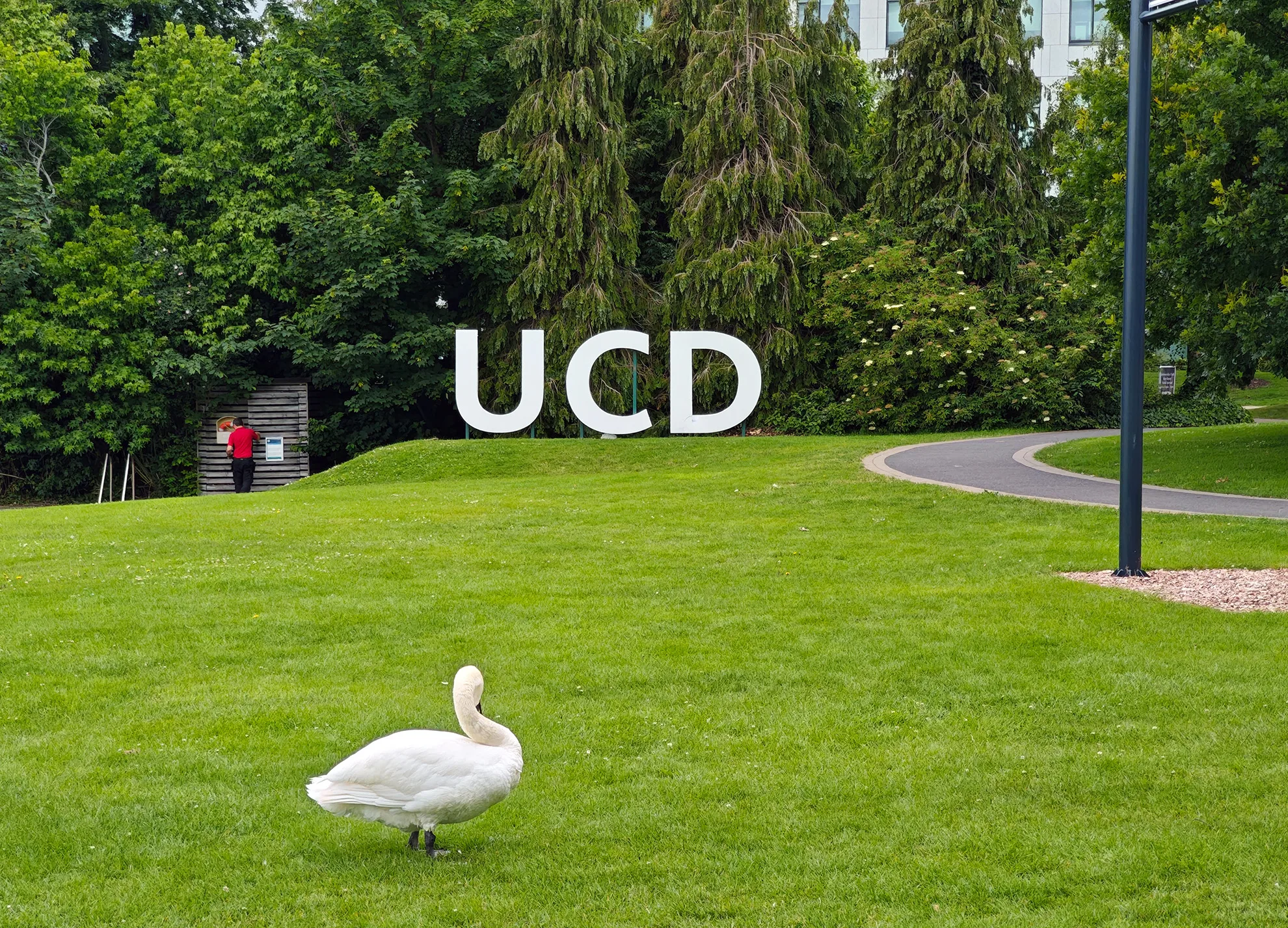
Conference venue: University College, Dublin
Conference Co-chairs: Karen Anderson (UCD), Imelda Maher (UCD) and David Phinnemore (Queen's University Belfast)
Integrity, solidarity and unity: hopes and realities of the European future
European society, politics, law, and culture are imbued with shared ideas of integrity, solidarity, and unity. The end of the Cold War redrew the map of Europe as formerly oppressed societies gained independence and territorial integrity after decades, or even centuries, of domination. But integrity was not limited to borders; it was inextricably linked to solidarity: the idea that European countries would come together to promote social progress and democracy through shared ideas and institutions that would foster European unity, however that unity might be defined. Solidarity also encompasses Europe's efforts to build social and political institutions—the welfare state in its broadest sense—to provide collectively funded and organized social protection. Indeed, the "European social model," however flawed, is for many the benchmark by which all advanced democratic societies should be judged. Similarly, solidarity implies individual autonomy embodied in shared values such as fundamental rights and the right to social protection.
European hopes for integrity, solidarity, and unity are based on a loosely shared understanding of what the future should hold. The dashed hopes of the past demonstrate the importance of integrating individual and collective aspirations with the values of integrity and solidarity, as well as with social and political realities. Seeking to realize these hopes through initiative and the articulation of shared objectives creates space for exploring and realizing potential futures for Europe. The integrity of collective hopes, grounded in shared values, also entails reimagining the European future in response to current realities. Indeed, Russia's war against Ukraine, the radical reorientation of US policies toward Europe from January 2025 onward, and the increasing flow of migrants and refugees from outside Europe are daunting realities.
Ireland is an ideal location for the CES conference, situated on the western coast of Europe and, of all European countries, the closest geographically to North America. Ireland is an island that has always looked beyond its shores: from the early Middle Ages, when Irish monks traveled throughout Europe, giving rise to the title Insula Sanctorum et Doctorum (Island of Saints and Doctors), to the Wild Geese (Irish soldiers) of the late 17th century, and the departure of starving and impoverished migrants from the mid-19th century onward following the Great Famine, when the United States and Canada became key destinations. Transformed in the late 20th century, a country that challenges the boundaries of postcolonial studies, Ireland is the European home of many leading multinational technology and pharmaceutical companies, a gateway to the European Union's single market. It was also the first country in the world to adopt marriage equality by popular vote. The island is a major hub for the arts and culture. Irish authors and poets have made an exceptional contribution to English literature, while the ancient language of Ireland, Irish/Gaelic, is one of the oldest living languages in Europe.
The conference is organized at an island-wide level, recognizing both the rich academic heritage of Ireland and Northern Ireland and the continued invisibility of the border, despite Brexit. The conference will officially open on June 16, Bloomsday, the day Leopold Bloom walks through Dublin in Ulysses, the most local and European of all novels, written by James Joyce, the UCD's most celebrated alumnus.
We invite submissions of papers, panels, roundtables, and other types of presentations that explore these topics from a multidisciplinary and multilevel perspective. We welcome proposals related to other topics within European Studies, as well as the inclusion of underrepresented groups and early-career scholars. Please submit a formal statement of interest for presentation to the Director and the CES Executive Committee. This statement should include any relevant information on why your university would be a good host, including its commitment to the study of Europe (and/or nearby institutions that could also participate) and evidence supporting the idea that the local academic community would welcome such a conference. If you have any questions about your university's suitability, please contact the CES at events@ces-europe.org.